Looking for a side-loading wood stove that balances heat, fuel efficiency, and easy loading? This guide highlights five top choices and explains who each is best for. Side-loading stoves simplify refueling in tight spaces and offer flexible loading options. The selections below are chosen for different space sizes, heating needs, and installation setups—so you can pick the right fit for your home or cabin.
Quick buyer summary table (selected products):
| Product | Best For | Key Benefit |
|---|---|---|
| US Stove 1,200 Sq. Ft Wood Stove | Medium to large living spaces | Large viewing window and 68,000 BTUs |
| Cast Iron Wood Burning Stove Fireplace (Dual Loading Doors) | Flexible loading, easy refuel | Dual loading doors, airwash system |
| US Stove 1,200 Sq. Ft. Wood Insert | Existing fireplace upgrades | Reinforced steel with firebrick lining |
| Comfort Glow Cast Iron Wood Stove | Compact spaces with reliable heat | Indoor EPA-certified, fits 22″ logs |
| Ashley 2,000 Sq Ft Wood Burning Stove | Larger homes seeking high output | EPA-certified with versatile base options |
US Stove 1,200 Sq. Ft Wood Stove

This stove heats up to 1,200 sq. ft. with 68,000 BTUs, making it a solid pick for mid-to-large living spaces. It features a cast iron feed door and a large 15.5 by 8 inch ceramic glass window for enjoying the flame while staying warm. The unit also replaces a prior Defender model, suggesting an updated design and potentially improved combustion efficiency. Best for rooms where substantial heat output is desired without sacrificing view.
Who it’s best for: homeowners needing robust heat in open-concept living areas. Why chosen: strong BTU rating and a wide viewing window offer both performance and ambiance. Caution: consider floor support and chimney sizing to ensure safe operation with higher heat output.
Cast Iron Wood Burning Stove Fireplace (Dual Loading Doors)

This model emphasizes flexible loading with dual front and side doors, plus an airwash system and secondary combustion for clear glass. The expansive viewing window helps users monitor fuel and flame status easily. Best for users who want convenient refueling options and a clearer view of the fire. Caution: ensure the space has adequate clearance for the dual-loading doors and ventilation components.
US Stove 1,200 Sq. Ft. Wood Insert
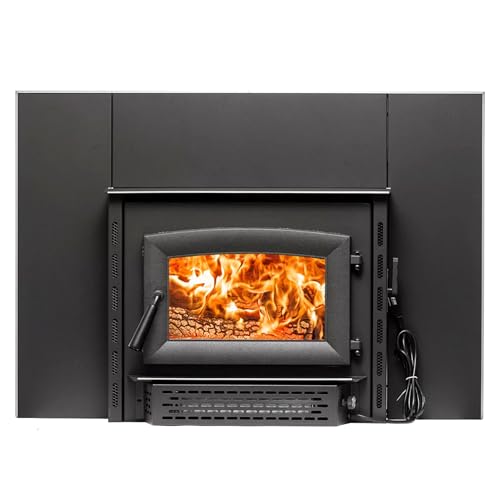
This wood insert uses a heavy 10-gauge reinforced plate steel shell with firebrick lining and a large hearth surround, accepting logs up to 18 inches. It’s designed for upgrading an existing fireplace into a more efficient heating source while providing rugged durability. Best for retrofit projects where a fireplace needs stronger heat retention. Caution: installation requires appropriate chimney clearance and professional setup to ensure proper venting.
Comfort Glow Cast Iron Wood Stove

This compact stove offers EPA-certified heating for up to 900 sq. ft. and supports 22-inch logs for longer burn times. Its heavy-duty cast iron construction emphasizes durability and heat retention, making it a practical choice for smaller living spaces that still demand steady warmth. Best for small-to-medium rooms or cottages. Caution: smaller firebox means more frequent refueling for larger spaces.
Ashley 2,000 Sq Ft 89,000 BTU Wood Burning Stove

Designed for larger homes, this EPA-certified stove delivers significant output with a flexible base setup, including both adjustable legs and a pedestal option. The high BTU rating supports substantial heating needs with extended burn times when loaded with wood. Best for open floor plans or larger cabins where robust, steady warmth is essential. Caution: consider heat distribution and room size to avoid overheating smaller spaces.
Buying Guide: Side-Loading Wood Stoves
What makes a stove “side-loading”?
Side-loading stoves allow fuel to be added from a side door or panel, reducing the need to reach over a burning fire. They are ideal for existing hearths with narrow front openings or for installations where space constraints limit easy front loading. Look for models with dual-loading options or side doors for maximum flexibility.
What space size should guide your choice?
Heavier BTUs and larger fireboxes suit bigger rooms (1000+ square feet). Smaller spaces benefit from compact designs that maximize heat retention per load. Choose a stove whose recommended area matches or slightly exceeds your room size for efficient heating without overloading space.
Important features to compare
- Heat output (BTUs) and efficiency
- Face viewing area to enjoy the flame while indoors
- Airwash and secondary combustion for clean glass
- Loading doors: front, dual loading, or side access
- Materials and construction: cast iron vs steel, firebrick lining
- Installation considerations: chimney size, clearances, and hearth readiness
Fuel and maintenance considerations
Most side-loading stoves burn seasoned firewood with consistent moisture. Regular cleaning of ash, glass, and vents extends stove life and efficiency. Consider stoves with easy-access loading and clean-out areas for maintenance ease, especially in homes with frequent usage.
Installation and safety notes
Ensure proper clearance from walls and combustible materials. Verify chimney compatibility and professional installation if required. Use a carbon monoxide detector and follow local codes for safe operation.
Which stove should you choose?
- Best for large rooms: Ashley 2,000 Sq Ft model, due to high heat output.
- Best for retrofit: US Stove 1,200 Sq. Ft. Wood Insert with a firebrick lining.
- Best for small spaces: Comfort Glow Cast Iron Wood Stove with compact footprint.
- Best for flexible loading: Cast Iron Wood Burning Stove Fireplace with dual loading doors.
- Best for balanced performance: US Stove 1,200 Sq. Ft. Wood Stove for solid mid-size heating.
FAQ
- What is the advantage of side loading? It eases refueling in tight spaces and can improve loading convenience in limited-front-door stoves.
- Do side-loading stoves require special venting? Most require standard chimney venting; verify clearance and installation per model instructions.
- Can a wood insert be used in a non-fireplace wall? Inserts are designed for existing fireplaces; consult a professional about retrofit options if you’re removing a front-facing opening.
- Which stove is best for heat retention? Cast iron and firebrick-lined stoves generally retain heat well for longer burn times.
- Are EPA certifications important? Yes; EPA-certified stoves meet emissions standards and usually operate more efficiently.
- How often should I service a wood stove? Regular maintenance includes ash removal, glass cleaning, and annual professional inspection if possible.