Answering your search for a reliable, efficient new outdoor AC unit begins with choosing models that fit your space, cooling needs, and energy goals. This guide highlights five practical options that complement outdoor setups, from conventional condenser units to innovative windowless portable systems. Each selection includes who it’s best for, key strengths, and a simple caution to consider before purchase.
| Product | Type | Best For | Why It Stands Out |
|---|---|---|---|
| Goodman GLXS4BA3010 | Outdoor Condenser | Homeowners replacing older Goodman systems | Improved efficiency and compatibility with R32 refrigerant; includes thermostat |
| LG LW1521ERSM1 | Window Air Conditioner | Large rooms up to 800 sq ft | Remote operation, WiFi app control, quiet operation |
| YITAHOME 3 Zone Mini Split | Multi‑Zone Mini Split | Multi-room setups | Independent control per room, smart features, quiet performance |
| BougeRV PC35 Portable | Portable Camping AC | Outdoor or camping scenarios | App control, 64 ft² coverage, compact and mobile |
| FO-KOKO 5200 BTU Portable | Windowless Portable AC | Tents, RVs, small spaces | Low power use, dual-loop water cooling for faster cooling |
Goodman 2.5 Ton Outdoor Condenser With Thermostat

The Goodman GLXS4BA3010 outdoor condenser is designed as a direct replacement for certain older Goodman models. It emphasizes improved efficiency and compatibility with R32 refrigerant, making it a solid choice for existing Goodman systems upgrading refrigerant type. This model is best for homeowners who want a compatible outdoor unit paired with a suitable air handler or coil that supports R32. A caution: R32 compatibility requires matching components, and a new coil or air handler may be necessary.
Aimistjoy Portable Evaporative Cooler With 10 Gal Tank

This upgraded evaporative cooler functions as a 4‑in‑1 portable cooling unit suitable for indoor and outdoor use. It’s best for spaces where a window install isn’t feasible and you need a compact, mobile cooling solution with humidification and aromatherapy options. It includes a 10-gallon water tank for extended operation. A limitation: evaporative cooling is most effective in dry environments with good airflow.
LG 14,000 BTU Window Air Conditioner
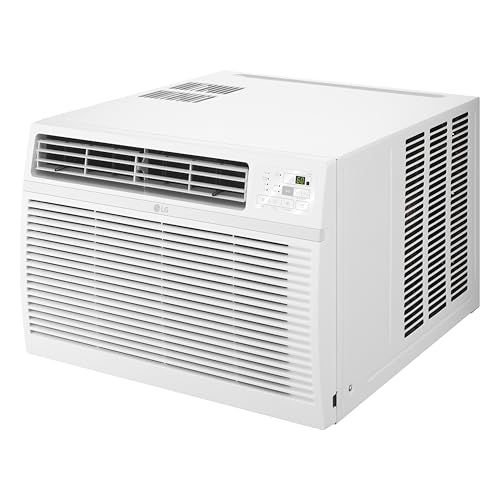
The LG LW1521ERSM1 window unit is suitable for larger rooms up to about 800 sq ft. It includes remote control and LG ThinQ app compatibility, enabling control from afar and voice assistant integration. It’s ideal for users who want smart features and straightforward installation, but it requires window access and is not a full outdoor condenser unit.
BougeRV PC35 Portable 3500 BTU
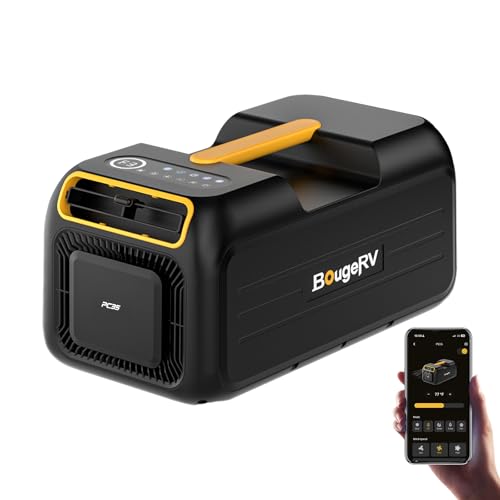
Designed for camping and small spaces, the BougeRV PC35 offers quick cooling for up to about 64 ft². It supports WiFi app control and portability with an ergonomic handle. It’s best for outdoor or temporary indoor cooling needs where plug‑and‑play simplicity matters. A potential limitation is its suitability for larger rooms or long-term, whole-space cooling.
YITAHOME 3 Zone Mini Split

The YITAHOME 3 Zone Mini Split provides a three‑zone cooling and heating solution with three outdoor condensers and indoor air handlers. It supports independent control per room, multiple modes, and smart features like WiFi control and Alexa compatibility. It’s best for multi‑room homes or spaces where individual climate control is important. A caution: size and installation complexity can be greater than single‑zone systems.
Buying Guide: Key Considerations For A New Outdoor AC Unit
- Application type: Choose between a traditional outdoor condenser, a window or portable system, or a multi‑zone mini split based on space, noise tolerance, and installation flexibility.
- Cooling capacity: Match BTU or tonnage to the space. Oversizing or undersizing can reduce efficiency and comfort.
- Refrigerant compatibility: If upgrading components, ensure refrigerant compatibility (for example, R32) to avoid future replacement needs.
- Energy efficiency: Look for units with high SEER ratings and inverter technology when possible to maximize long‑term savings.
- Installation considerations: Outdoor condensers require appropriate mounting space and service clearances. Window and portable options offer simpler setup but have space and odor considerations.
- Smart features: App control, voice assistant compatibility, and remote monitoring can simplify operation and maintenance.
- Maintenance needs: Access for cleaning coils, filters, and condensers affects performance and longevity. Consider units with easy access panels.
- Climate suitability: Dry vs humid environments impact evaporative cooler performance and mini split efficiency in extreme temperatures.
Frequently Asked Questions
- What is an outdoor condenser and when should I buy one? A: An outdoor condenser is the outdoor component of a split or packaged AC system. Buy one when upgrading an existing system or installing a new, efficient outdoor cooling solution for a home or space compatible with outdoor units.
- Can I mix refrigerants with my existing air handler? A: Refrigerant compatibility matters. If you switch to a different refrigerant like R32, ensure the air handler or coil is compatible to avoid performance issues.
- Are multi‑zone mini splits worth it for a home? A: They’re beneficial when you need independent temperature control across rooms or zones, offering flexible comfort and potentially better energy use.
- Do portable or windowless units provide true cooling for outdoor spaces? A: They can provide targeted cooling for small areas but may be less effective for whole‑space cooling and depend on environmental conditions.
- What maintenance helps outdoor units last longer? A: Regular coil cleaning, ensuring clear airflow around the condenser, checking refrigerant levels if needed, and scheduling professional servicing can extend life and efficiency.
- How do I choose between a window unit and a true outdoor condenser? A: Window units are easier to install in existing openings and are suited for single rooms, while outdoor condensers support central or multi‑zone systems and typically serve larger areas.