When you need reliable automatic water shut-off at low pressure, these float valves are ideal. This guide highlights five practical options for animal troughs, water storage tanks, ponds, RO systems, and other low-flow setups. Each choice is explained for who it’s best for, with clear pros and a caution to help you compare quickly. The top picks cover compact, high-flow, stainless steel, and adjustable-arm designs to fit space constraints, gravity-fed systems, and low-pressure environments.
Comparison at a Glance
| Product | Best For | Key Benefit | Limitations |
|---|---|---|---|
| Jobe J-RJVC0075 Rojo | Small spaces, troughs | Compact, adjustable float | Lower flow for tiny setups |
| Jobe J-RJV0075HF Rojo High-Flow | Moderate to high demand | Wide float, reliable switch | Bulkier than compact models |
| YehDleau 2 Pack 1/2″ Straight Thread | General tanks and ponds | Two-pack value, adjustable arm | Noted thread compatibility required |
| Shawmin 3/4″ Stainless Steel | Durable, industrial use | Stainless steel, precise control | Higher cost |
| Musibo 1/2″–3/4″ Valve | Versatile pipe sizes | Universal dimensions, practical seals | Sealing tips needed for leaks |
Jobe Valves J-RJVC0075 Rojo Compact Low-Pressure Valve

Designed for automatic water filling in troughs, tanks, and process lines, this compact valve features a fully adjustable, narrow-weighted float. It’s ideal for low-flow installations where space is limited. The valve is mechanically operated and constructed from non-corrosive materials, supporting mounting in multiple positions above or below water level. Best for small livestock troughs or tight utility spaces where a quick, reliable fill is needed at low pressure.
Who it’s best for: ranchers or small farm operators needing a space-saving, automatic fill valve. Why selected: compact footprint and adjustable float support precise shut-off without electricity or pumps. Caution: the narrow float is more sensitive to float misalignment in vertical installations; ensure proper mounting and level setup.
Jobe Valves J-RJV0075HF Rojo High-Flow Low-Pressure Float Valve

This high-flow variant uses a larger 4.9-inch float and a 3-inch extension arm to handle more water as soon as the level drops, while still operating at low pressure. It’s suitable for larger troughs, feed tanks, or systems requiring quicker refill to prevent overflow. The valve is mounted laterally or vertically and includes a non-corrosive body with a built-in check valve and a lock-off switch for added control.
Who it’s best for: facilities needing faster refill in larger volumes. Why selected: better for moderate to higher refill demands without complicating the plumbing. Caution: higher flow can lead to quicker fluctuations; precise water level calibration is recommended.
YehDleau 2 Pack 1/2 Inch Straight Thread Auto Fill Float Valve

This two-pack set uses a 1/2 inch straight thread and features a 225-degree adjustable arm for flexible mounting on water tanks, ponds, livestock troughs, or gravity-fed systems. It operates without electricity, relying on water pressure to automatically open and close the valve. Suitable for gravity-fed or low-pressure installations where a simple, dependable refill is needed.
Who it’s best for: homeowners or small farms with gravity-fed systems and limited power access. Why selected: value pack with broad compatibility and adjustable arm. Caution: confirm BSPP thread compatibility with your plumbing before purchase to avoid fittings issues.
3/4″ Stainless Steel Float Valve with 6″ Float Ball

Constructed from heavy-duty 304 stainless steel, this 3/4 inch valve suits commercial and industrial contexts requiring durability and resistance to rust. The 6-inch float ball provides precise shut-off for accurate water level control and reduces overflow risk. The 90-degree elbow and sealing plug help minimize splash and leaks in ponds or livestock troughs.
Who it’s best for: environments demanding robust corrosion resistance and longer service life. Why selected: superior material and robust construction for demanding applications. Caution: stainless steel models can be pricier and bulkier than plastic equivalents.
Musibo 1/2″ to 3/4″ Stainless Steel Float Valve

This valve covers multiple pipe sizes with 1/2 to 3/4 inch compatibility. It uses 304 stainless steel for durability and a universal design that fits many tanks, pools, and troughs. The included guidance emphasizes proper sealing practices to prevent leakage at threaded joints, an important consideration for long-term reliability in water systems. It is a solid choice when you need a versatile, corrosion-resistant option.
Who it’s best for: projects needing flexible sizing and strong corrosion resistance. Why selected: universal dimensions and durable construction. Caution: ensure correct sealing technique and gasket use to minimize leaks at joints.
Mueller Industries 109-814 Float Valves
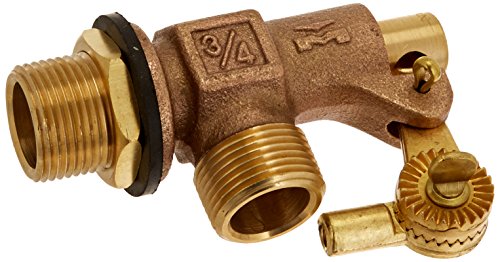
Mueller’s float valve features dual inlet threads for flexible pipe connections and a machined flange for tank-wall support. It’s designed to handle typical tank and trough installations with reliable valve action and a sturdy mounting system. Choose this when you need a traditional, dependable low-pressure solution with robust support features.
Who it’s best for: users who want a proven, dual-thread option for secure mounting. Why selected: solid build and compatibility with common plumbing setups. Caution: verify that the dual-thread configuration matches your existing fittings.
Buying Guide
What should you consider before buying a low-pressure float valve?
- Flow needs: Match valve capacity to the anticipated water demand. Compact models suit small troughs; larger floats suit bigger tanks and faster refills.
- Mounting space: If space is limited, prioritize compact designs with adjustable floats.
- Material: Stainless steel offers corrosion resistance for harsh environments; plastic options are lighter and often cheaper.
- Thread compatibility: Verify that the valve’s thread type (NPT vs BSPP) matches your plumbing to avoid leaks or the need for adapters.
- Pressure range: Ensure the valve operates effectively at your system’s low pressure; some models are optimized for gravity-fed setups.
- Maintenance and seals: Look for simple seals and easy maintenance routines; avoid models with hard-to-reach seals in cramped spaces.
Installation tips: determine water level targets, secure mounting with proper brackets, and test with a slow fill to confirm shut-off behavior. If your system uses gravity feeding, confirm the valve’s activation point aligns with your tank height to prevent overflows or insufficient refilling.
FAQ
- What is considered low pressure for float valves?
Low pressure typically means below 15 psi, though designs may function down to a few psi depending on the valve.
- Do these valves require electricity?
Most float valves are mechanically operated and do not require electricity or pumps.
- Can I replace a valve without changing the tank fittings?
Yes in many cases, but check thread compatibility and seal requirements to avoid leaks.
- Which material lasts longer in outdoor setups?
Stainless steel resists corrosion best, but high-quality plastic models can be adequate in dry or less corrosive environments.
- How do I prevent leaks at thread joints?
Use appropriate thread seal tape or gaskets and tighten joints per manufacturer guidance.
- Is a larger float always better?
A larger float can provide more stable shut-off in larger tanks, but may increase size and obstruction in tight spaces.