Direct answer: If you’re sealing HVAC, hot water, or cold water pipes, an insulation wrap or foam wrap helps reduce heat loss, prevent condensation, and minimize energy waste. The best options balance durability, weather resistance, ease of installation, and applicability to outdoor or indoor pipes. This guide highlights five top picks, explaining who they’re best for and why they stand out. Use the buying guide and FAQ to fine-tune your choice for home, apartment, or small commercial applications.
| Product | Best For | Why It Stands Out |
|---|---|---|
| Duck Brand Foam Pipe Covers | Indoor water pipes; quick fixes | Pre-slit, self-sealing edges; easy on curved pipes |
| AXIFOUJ 5-Layer Line Insulation Wrap | Long runs; external protection | Five-layer design; longer length for fewer seams |
| XFasten Foam Pipe Insulation Tape (2 Inch) | Outdoor lines; flexible wrapping | Extreme adhesion; high tensile strength |
| CrsaSwivo 3-Layer Exterior Cover | Outdoor HVAC piping | Three-layer construction; adjustable straps |
| Frost King CF55 Foil-Backed Duct Wrap | Ducts and seasonal piping | Foil-backed, no-glove installation alternative |
Duck Brand Foam Pipe Covers

Duck Brand foam pipe covers are a versatile indoor option for insulating hot and cold water pipes. The product is pre-slit for quick installation and features self-sealing edges to secure the wrap around curved pipes. Safe for temperatures up to 212 F, this option is best for buyers seeking a straightforward, budget-friendly solution that suits indoor plumbing and HVAC piping.
Best for: Homeowners doing quick, do-it-yourself pipe insulation on indoor runs; renters needing a non-permanent solution.
Why selected: The pre-slit design and self-sealing edge streamline installation, reducing time and effort. The foam is suitable for both hot and cold lines, helping prevent winter freezing and summer sweating on HVAC pipes.
Caution: This product is best for indoor use; outdoor exposure may require more robust, weatherproof wraps.
AXIFOUJ 5-Layer HVAC Line Insulation Wrap
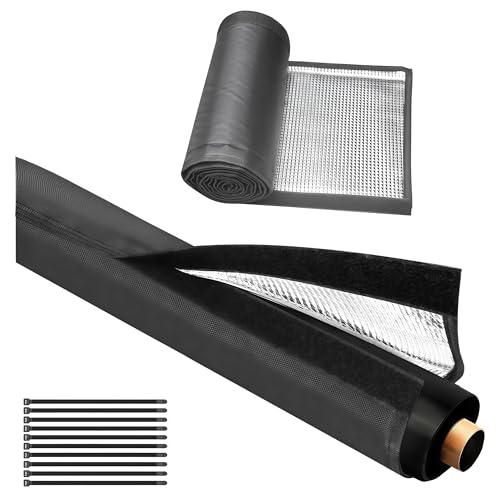
AXIFOUJ offers a five-layer insulation wrap designed to deliver maximum defense against heat, moisture, and UV exposure. The extended 78.7-inch length reduces seams and speeds up installation for longer pipe runs. The outer shell is waterproof, while the inner layers provide moisture resistance, helping deter condensation and duct aging.
Best for: Exterior or exposed pipe runs where moisture and sun exposure are concerns, or when long sections need a cleaner, seam-reduced wrap.
Why selected: The multi-layer construction provides superior protection against weather and condensation, making it well-suited for outdoor or partially sheltered installations.
Caution: The bulkier wrap may require careful cutting and alignment on tight bends or complex duct shapes.
XFasten Foam Pipe Insulation Tape (2 Inch)

XFasten’s 2-inch insulation tape offers extreme adhesion and a high tensile strength, designed to last up to 25 years in harsh weather. This tape provides superior insulation with low thermal conductivity, effectively reducing energy loss and preventing frosting on outdoor lines. It stretches well, supports tight bends, and is suitable for external pipe insulation wraps.
Best for: Outdoor piping, weather-exposed lines, and applications requiring a strong, wrap-around tape for irregular or rounded pipes.
Why selected: The combination of high adhesion and flexibility makes this tape a reliable choice for long-term outdoor use where traditional foam wraps may not suffice.
Limitation: For curved or intricately shaped pipes, ensure the tape can securely form around corners without gaps.
CrsaSwivo 3-Layer Exterior Cover
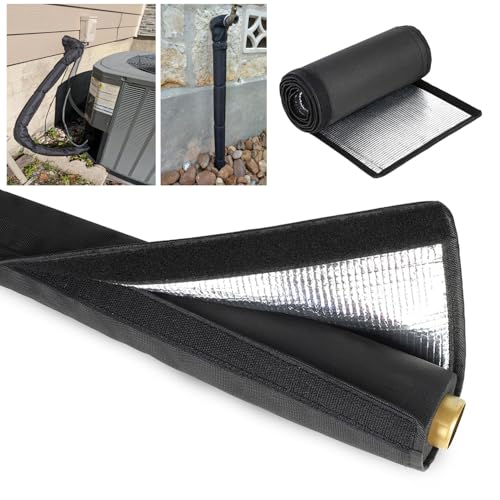
CrsaSwivo’s outdoor pipe insulation wrap uses a three-layer construction: robust Oxford cloth, pearl cotton cushioning, and aluminum foil inner layer. It’s designed to shield outdoor HVAC lines from sun, cold, and physical wear. The wrap length is 78.74 inches with adjustable nylon straps to fit ducts under 11.8 inches in outer diameter, offering a snug, weather-resistant seal.
Best for: Outdoor piping and exposed ductwork where long coverage and a secure fit are important.
Why selected: The combination of weather resistance and adjustable straps makes it a practical pick for outdoor installations that require durable protection and easy sizing.
Caution: Ensure the outer diameter is compatible with your duct size to avoid gaps or tight fitting.
Frost King CF55 Foil Backed Duct Wrap

Frost King CF55 uses a foil-backed duct wrap that insulates, cushions, and reduces vibrations on heating and AC ducts. It’s designed as a safe alternative that doesn’t require gloves or complicated protective gear during installation. The wrap provides class A fire-rated protection and can be a good choice for ducts susceptible to vibration and heat transfer.
Best for: Ducts in interiors where vibration dampening and straightforward installation are priorities, and fire-rated materials are desirable.
Why selected: The foil backing adds reflective insulation and durability, while the no-gloves requirement helps simplify DIY installations.
Caution: Foil-backed wraps can be less flexible around very tight bends; plan cuts carefully to maintain a continuous seal.
Buying Guide: Key Considerations For Choosing HVAC Pipe Insulation Wraps
What matters most depends on your pipe type, location, and climate. Consider these practical questions when selecting a wrap:
- Indoor vs. outdoor: Outdoor conditions demand weatherproof, UV-resistant, or foil-backed wraps, while indoor pipes may do well with pre-slit foam and simple edge-sealing designs.
- Temperature range: Check safe operating temperatures to ensure the insulation withstands heat from hot water lines or refrigerant cold without degrading.
- Pipe diameter and length: Longer runs reduce seams, but ensure the wrap fits the outer diameter and allows easy joining around elbows and fittings.
- Ease of installation: Pre-slit foam, self-sealing edges, and extended lengths save time. Tape-based options offer flexible application on irregular shapes.
- Durability and moisture resistance: Five-layer insulation or waterproof outer shells provide better moisture control and longer life in damp environments.
- Safety considerations: Fire ratings, chemical inertness, and absence of hazardous materials are important for both residential and commercial settings.
FAQ
- What is the main benefit of pipe insulation wraps for HVAC?
They reduce heat loss, prevent condensation, and lower energy usage by maintaining more stable pipe temperatures. - Can outdoor pipes be insulated with foam wraps?
Yes, but for outdoor pipes you may prefer multi-layer, moisture-resistant or foil-backed wraps designed to resist weather and UV exposure. - Are pre-slit foam wraps easier for beginners?
Yes. Pre-slit designs with self-sealing edges simplify installation around bends and curves. - Is tape better than foam wraps for irregular pipes?
Tape offers flexibility for irregular shapes, but foam wraps often provide quicker, seam-free coverage on straight runs. - Do insulation wraps affect system efficiency?
Proper insulation minimizes heat gain or loss, reducing energy demands and improving overall system efficiency. - What should I measure before buying?
Outer pipe diameter, total run length, exposure (indoor vs. outdoor), and permission for any outdoor installation requirements.