Answer: For improving energy efficiency and reducing noise in ductwork, choose high‑R-value, reflective or foil‑faced wraps that are easy to install and meet fire safety standards. This guide highlights five top options suited to different spaces and skill levels—from DIY attic projects to professional dense insulation needs. Best for homeowners, contractors, and DIY enthusiasts seeking durable duct wrap that blocks radiant heat and minimizes air loss.
Below is a quick comparison of the five selected products to help you pick the right duct wrap for your situation. The table lists intended use, thickness, and notable features at a glance.
| Product | Use Case | Thickness | Key Benefit |
|---|---|---|---|
| Frost King CF55 Foil Backed Duct Wrap | General HVAC ducts | 1 inch | Fire-rated, cushions and reduces vibrations |
| US Energy Products R-8 Duct Wrap (4 ft x 50 ft) | Large ducts, reflective wrap | 1/4 inch | Double-sided, Class A fire rating |
| SmartSHIELD 24″ x 25 ft Foam Core Roll | Radiant barrier and vapor seal | 5 mm | High R-value with radiant and vapor barrier |
| US Energy Products R-8 Duct Wrap (4 ft x 100 ft) | Extended runs and attic spaces | 1/4 inch | Double-sided, heavy‑duty scrim |
| Maasechs R6 Fiberglass Duct Insulation Wrap | DIY repairs and upgrades | 2-3/16 inches fiberglass | Foil-faced for radiant heat and sound reduction |
Frost King CF55 Foil Backed Duct Wrap

Brand: Frost King
Features: Insulates, cushions, and reduces vibrations on heating and AC ducts. Safe alternative—no gloves, face mask, or goggles needed. Class A fire rating.
Best for: Homeowners installing or replacing duct wrap in living spaces where vibration dampening and safety are priorities. This wrap offers a simple, safer option with fire-rated performance.
Limitations: The 12″ width and 15-ft length may require multiple rolls for longer duct runs; plan ahead for seam overlap and fit.
US Energy Products R-8 Duct Wrap (4 ft x 50 ft)

Brand: Trade Winds
Features: Double sided reflective, waterproof heavy-duty scrim; 1/4 inch thick, R-8 foam core; Class 1 / Class A fire rated; meets fire codes.
Best for: Attics or crawl spaces with longer duct runs that benefit from a large, reflective layer and strong moisture resistance. Choose this for high heat areas that require robust coverage.
Caution: Ensure proper overlapping and sealing to maximize the reflective barrier and prevent gaps where heat might bypass the wrap.
SmartSHIELD -5mm Duct Wrap Reflective Roll

Brand: INSULATION MARKETPLACE
Features: Reflects 97% of radiant energy; radiant barrier with R-value up to 15.67 per layer, up to 21.10 with two layers. Vapor barrier and sound deadening properties.
Best for: Areas where radiant heat transfer is a concern and where vapor control is important, such as damp basements or unheated garages.
Limitation: Higher performance requires careful layering and installation to prevent air gaps that reduce effectiveness.
Maasechs R6 Fiberglass Duct Insulation Wrap

Brand: Maasechs
Features: Reduces heat loss; foil-faced roll for radiant heat blocking; thick fiberglass core designed for HVAC ducts, attics, garages, and DIY repairs.
Best for: DIY projects where substantial insulation is needed and flexible handling around irregular duct shapes is beneficial.
Limitation: Fiberglass requires careful handling to avoid skin irritation; consider protective gear during installation.
US Energy Products R-8 Duct Wrap (4 ft x 100 ft)
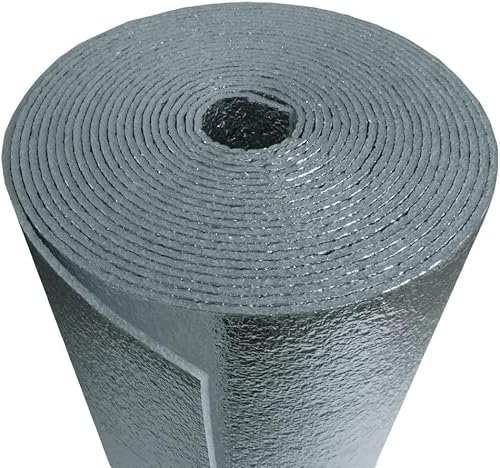
Brand: Trade Winds
Features: Double-sided reflective, heavy-duty scrim; 1/4 inch thick; Class 1 / Class A fire rated; ASTM certified; meets fire codes.
Best for: Projects requiring long runs of duct insulation with durable material and wide coverage. Ideal for larger basements or commercial-style attics.
Limitation: The length may require careful storage and handling during transportation and installation to prevent tearing of the reflective surfaces.
Buying Guide: How To Choose HVAC Duct Insulation Wrap
What type should you pick: Reflective foil-faced wraps, fiberglass cores, or bubble-style layers? Reflective wraps excel at blocking radiant heat, while fiberglass cores add bulk and thermal resistance. Bubble wrap variants provide added moisture control and vapor barriers for damp spaces.
What thickness and R-value do you need: Thicker insulation often yields better heat retention, especially for long duct runs in unheated spaces. Check the R-value and fire ratings to ensure code compliance in your area.
Is fire safety important: Look for Class 1 / Class A fire rating and ASTM certifications where required by local codes. This helps ensure safer installations in living spaces and attics.
How easy is installation: Some wraps are self-adhesive or pre-sleeved, while others require tape, fasteners, or metal clamps. For DIY projects, choose options that minimize tools and mess.
Moisture management: In humid or damp environments, select products with moisture resistance and vapor barriers to prevent condensation and mold growth.
Durability and longevity: Consider scrim strength, foil durability, and resistance to tearing. Longer rolls reduce seams but may be heavier to handle.
Installation tips: Clean ducts before wrapping. Overlap seams by 1/2 inch or as recommended by the manufacturer. Seal edges with appropriate tape to minimize air leakage. Wear protective gear when handling fiberglass.
FAQ
- What is the main purpose of HVAC duct insulation wrap? To reduce heat loss or gain, improve energy efficiency, and dampen noise while protecting duct surfaces.
- Which wrap is best for radiant heat reflection? Reflective foil-backed wraps like SmartSHIELD and double-sided reflective wraps offer strong radiant heat reflection.
- Do these wraps require professional installation? Some are DIY-friendly, especially self-adhesive or roll-and-wrap types; others may benefit from professional sealing for maximum efficiency.
- Are there safety considerations with fiberglass wraps? Yes, fiberglass particles can irritate skin and lungs; use protective clothing and gloves during installation.
- How do I choose the right size for my ducts? Measure duct diameter and run length; select a wrap with appropriate thickness and width to cover without excessive seams.
- Can I reuse duct wrap if I move? Reuse depends on the condition of the wrap after removal; avoid tearing and ensure seals remain intact if relocating.