A dryer vent booster motor can help improve exhaust airflow when a long or winding duct run makes clothes take longer to dry. The Konzition M-4DBT is best for buyers seeking automatic operation and a stated 200 CFM; the GUOJINJISM and FixOasis options offer 167 CFM with pressure-sensor activation; Dirlexal adds a visible lint trap and status panel; and Tjernlund is a simple choice for longer dryer ducts. Confirm duct size and installation requirements before choosing.
| Product | Best For | Listed Airflow |
|---|---|---|
| Konzition M-4DBT | Automatic operation and post-purge | 200 CFM |
| GUOJINJISM Dryer Booster | Pressure-sensor activation | 167 CFM |
| Dirlexal 4-Inch Booster | Visible lint collection | 160 CFM |
| Tjernlund LB2 | Long duct runs and lint-repelling impeller | Not stated |
| MIDCVFRUN 4-Inch Booster | Higher listed airflow and adjustable trigger | 260 CFM |
Konzition M-4DBT Automatic Dryer Booster

This 4-inch dryer vent booster is best for households that want automatic control and a fan designed for lengthy ductwork. Its listed airflow is 200 CFM, and the product description says it is intended for duct runs up to 100 feet. An integrated pressure switch starts the fan when dryer airflow is detected.
A post-purge feature keeps the fan running after the dryer cycle ends to help move residual hot air, moisture, and lint through the duct. The product is described as compatible with gas and electric dryers and as operating below 47 dB. Choose it if those automatic features matter; verify that your duct layout and installation meet the product instructions. Its 4-inch size will not suit a different duct diameter without an appropriate installation solution.
GUOJINJISM 167 CFM Dryer Booster
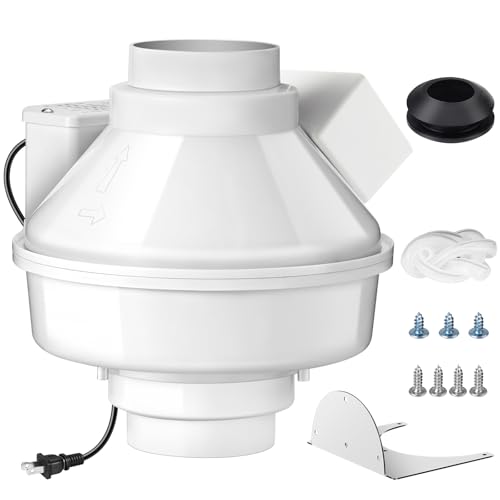
The GUOJINJISM model is best for buyers who want automatic starting and stopping without operating a separate switch. Its pressure sensor is designed to activate when it detects positive pressure in the dryer vent and stop when airflow ends. The listed airflow is 167 CFM.
The description identifies long runs, basements, garages, and complex duct layouts as intended use cases. It also describes the housing as waterproof and rust-resistant for indoor or outdoor placement. The listing claims drying-time reductions of 30–70%, but actual results depend on vent length and airflow conditions. Choose this model for sensor-based operation; avoid assuming a specific time saving or outdoor suitability without checking the installation instructions and site conditions.
Dirlexal 4-Inch Booster With Lint Trap

Dirlexal is best for buyers who want to inspect collected lint without opening the fan housing. This 4-inch model lists 160 CFM and includes an integrated lint trap with a clear view window. Its pressure sensor is designed to turn the fan on and off in sync with dryer airflow.
The product is positioned for long or winding duct runs over 25 feet and includes a remote status panel, plus clog and overheat alerts according to its name. Those monitoring features may suit households that want visible operating information. The lint trap requires attention: check and clean it as directed so accumulated debris does not restrict airflow. The listing’s drying and energy savings are product claims, not guaranteed results for every home.
Tjernlund LB2 No-Clog Dryer Booster
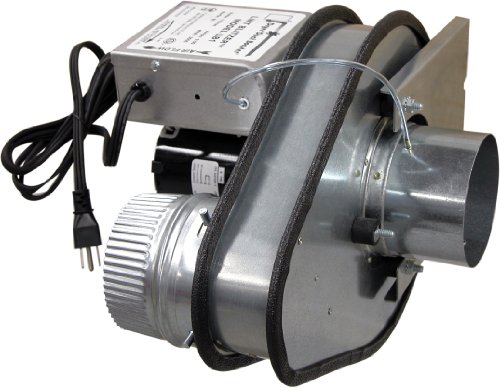
The Tjernlund LB2 is best for buyers considering a booster for a dryer exhaust duct run of 25 feet or more. Its listed features include automatic activation, a Lint Blitzer impeller described as repelling lint, and an LED indicator display panel. These details make it a relevant option for buyers prioritizing lint handling and an at-a-glance indicator.
The supplied product information does not state airflow, duct diameter, noise level, or installation dimensions. Check those specifications and installation requirements before comparing it with models that list CFM and duct size. The “no-clog” wording is part of the product name; it does not remove the need to maintain the dryer vent and follow the manufacturer’s care instructions.
MIDCVFRUN 260 CFM Booster Fan
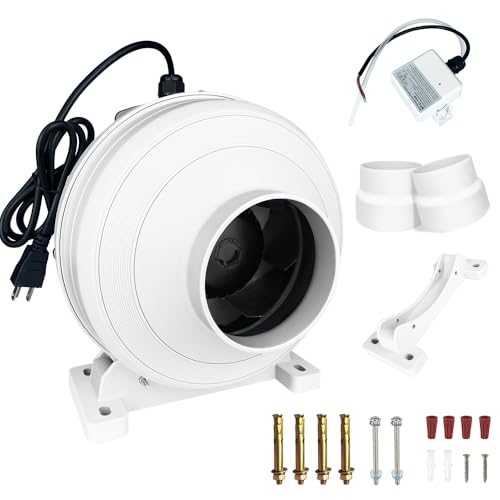
MIDCVFRUN is best for buyers comparing higher listed airflow and an adjustable pressure trigger. It is a 4-inch inline fan with a stated 260 CFM. The product description says the pressure sensor detects airflow and that its trigger point can be adjusted to suit different dryer brands.
Choose it if your system uses standard 4-inch ducting and you want to compare its listed airflow with lower-CFM options. The listing describes an anti-clog design but does not provide detailed maintenance intervals or noise figures in the supplied information. Confirm how to set the pressure switch and whether the product’s installation instructions fit your vent configuration before purchase.
Buying Guide: How To Choose A Dryer Vent Booster Motor
What duct size and run length do you have?
Measure the duct diameter and estimate the full route, including bends. Several products here specify 4-inch ducting, while the Tjernlund details provided do not state a diameter. Do not assume a fan fits your system based only on its CFM rating. Check the manufacturer’s installation guidance, including placement and permitted duct configurations.
Do you want automatic controls?
Pressure-sensor models are designed to start when dryer airflow or positive pressure is detected. Some include a post-purge cycle, while others describe automatic shutoff when airflow ends. Compare the stated control behavior rather than treating all automatic fans as identical. A fixed post-purge and an immediate stop are different operating features.
How should you compare airflow claims?
Use listed CFM as a comparison point, not a guarantee of drying performance. Duct length, bends, blockages, and the dryer’s exhaust all affect airflow. Claims about reduced drying time or energy use are product-specific estimates and may not represent results in every home.
What maintenance or alerts are useful?
A view window or status panel can make lint accumulation or operating status easier to check. A built-in lint trap also creates a component that must be inspected and cleaned according to its instructions. A booster fan does not replace routine cleaning of the dryer lint screen and exhaust duct.
Frequently Asked Questions
When might a dryer vent booster fan be useful?
It may be worth considering when a long or winding exhaust duct has restricted airflow and drying takes longer than expected. First check for blockages and confirm the duct is installed and maintained correctly.
Does a booster fan fit every dryer?
No. Check the fan’s specified duct diameter, installation requirements, and compatibility information. The products listed here do not all provide the same specifications.
Does a higher CFM guarantee faster drying?
No. CFM is only one comparison factor. The duct layout, obstructions, and dryer exhaust conditions also influence performance.
Does automatic operation eliminate maintenance?
No. Automatic controls manage fan operation, but the dryer vent and any included lint trap still need inspection and cleaning as directed.