The best air conditioner condensate trap depends on your drain-line size, maintenance needs, and whether you want overflow detection. For a clear, cleanable option, consider Gulfmew; GAGALOR’s two-pack suits buyers needing a spare; RectorSeal offers a recognizable HVAC-focused kit; Feekoon adds a built-in overflow switch; and Oatey provides a simple 3/4-inch PVC P-trap option. Confirm your equipment requirements and drain configuration before choosing a trap.
| Product | Best suited for | Notable feature |
|---|---|---|
| Gulfmew 3/4-Inch Trap | Visual inspection and routine cleaning | Transparent body and removable caps |
| GAGALOR Two-Pack | Buyers who want a spare trap | Two traps and a cleaning brush |
| RectorSeal EZ Trap | Light-duty applications | Clear body and access caps |
| Feekoon Trap With Switch | Overflow detection | Integrated float switch |
| GAGALOR Trap With Long Brush | Brush-assisted maintenance | 16-inch cleaning brush |
Gulfmew 3/4-Inch Condensate Trap

Best for homeowners or HVAC maintenance teams who want to see whether buildup is collecting inside the trap. Gulfmew’s clear PVC U-shaped body makes visual inspection easier, while its openable blue caps provide access for cleaning. The product includes a cleaning brush and is described as a standard 3/4-inch trap for HVAC systems.
The water seal in the U-shaped section is designed to help prevent suction from pulling water back and to block air from moving through the drain line. Choose this model if visible inspection and routine access matter. Its listed size is 3/4 inch, so verify the drain connection and installation requirements first.
GAGALOR Two-Pack Condensate U Traps

Best for buyers who need two traps or prefer to keep a replacement on hand. This set is described for 3/4-inch pipe fittings and includes a cleaning brush. Its transparent design helps users check for blockage, and the removable blue cover opens for cleaning before being resealed.
The two-piece quantity is the main distinction from single-trap options. Choose it if having a spare is useful for your project. The product information does not specify a built-in overflow switch, so avoid choosing it solely for automatic overflow detection.
RectorSeal EZ Trap 83113
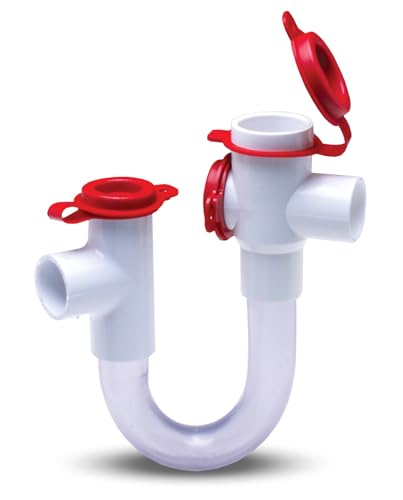
Best for buyers looking for a 3/4-inch HVAC trap with inspection and cleaning access. RectorSeal lists this model for situations where pressure or condensate management is a concern, or where a trap is required by the equipment manufacturer or code. It has a transparent trap, watertight red caps, and schedule 40 PVC fittings.
The manufacturer describes the trap as a thinner-walled option for light-duty applications. Choose it when those application details match your system and installation instructions. The listed kit has no brush; its features mention flexible cleaning-brush mounting rather than an included brush.
Feekoon Trap With Built-In Overflow Switch

Best for buyers who want a trap that includes an overflow-detection feature. Feekoon describes an integrated float switch that detects high water levels and is intended to help prevent overflow. The product is a 3/4-inch PVC U-trap and includes a cleaning brush.
Choose this model if overflow detection is a priority alongside condensate drainage. The listing notes that PVC cement and purple primer may be purchased separately for sealing, so plan for those materials if the installation method requires them. Confirm the switch and trap arrangement meet your equipment manufacturer’s requirements.
GAGALOR Trap With 16-Inch Cleaning Brush

Best for buyers who value a longer brush for cleaning through the U-trap. GAGALOR describes this model as a standard tee and cross fitting for a 3/4-inch PVC HVAC drain line. Its transparent body helps with blockage checks, while openable caps provide access. A 16-inch soft brush is included.
Choose it if the brush length and clear body suit your maintenance routine. The product information does not list an overflow switch, so buyers seeking that feature should compare it with a switch-equipped model instead.
Buying Guide: How To Choose An Air Conditioner Condensate Trap
What size and configuration should you check?
Start with the drain-line diameter and the trap configuration specified by the HVAC equipment manufacturer. Several products here are listed for 3/4-inch connections, but that does not establish compatibility with every system. Check the existing pipe, installation space, and equipment instructions before ordering. Local code or manufacturer requirements may also affect which trap arrangement is appropriate.
Is a transparent trap useful?
A clear body can make it easier to spot sediment or standing water without opening the trap. Removable caps add direct access for cleaning. These features support maintenance but do not remove the need to inspect the drain system periodically. If visibility is important, compare products that specifically describe a transparent body.
Do you need an overflow switch?
A standard trap manages condensate and creates a water seal. A trap with a built-in float switch adds a feature intended to detect high water levels. Consider that option when overflow detection is part of your maintenance or equipment-protection plan, and verify how the switch must be connected and used. Do not assume a trap without a listed switch provides this function.
What should you know about cleaning and installation?
Look for removable access caps and check whether a brush is included. A longer brush may help reach through the trap, while a transparent body can help identify buildup. Installation may require suitable fittings and sealing materials; the Feekoon listing notes that PVC cement and purple primer can be purchased separately. Follow equipment instructions and use a qualified HVAC professional when needed.
Frequently Asked Questions
What does an air conditioner condensate trap do?
It allows condensate to drain while a water seal in the trap helps block air from passing through the drain line. The exact installation purpose depends on the HVAC system and its requirements.
How do I know whether I need a 3/4-inch trap?
Check the drain-line size and the equipment manufacturer’s specifications. A product labeled 3/4 inch should not be selected without confirming the connection matches your system.
Can I clean a condensate trap myself?
Some models have removable caps and include a brush for access. Follow the product and equipment instructions, and contact an HVAC professional if you are unsure how to safely access or service the drain.
Does every condensate trap include overflow protection?
No. Overflow detection is a distinct feature. Choose a model that specifically lists a float switch if you need that function.
Why choose a transparent condensate trap?
A transparent body can make visual checks for sediment or blockage easier. It does not replace opening and cleaning the trap when maintenance is needed.