The top picks below are real 3/4″ NPT elbow fittings that help you change direction in piping and connect different thread types. They’re suited for DIY projects, residential plumbing, propane and gas lines, or small industrial setups. Choose this list if you need reliable brass or stainless steel elbows with solid threading and corrosion resistance. The table summarizes five strong options to compare at a glance.
| Product | Material | End Style | Notes |
|---|---|---|---|
| S SYDIEN 304 Stainless Steel 90 Degree Elbow 3/4″ NPT Male x Socket (B07RKVZWH5) | 304 Stainless Steel | Male NPT to Socket | Best for high-temperature and corrosion resistance |
| KAINGA 90 Degree Elbow 3/4″ NPT Male × 3/4″ NPT Female Brass | Brass | Male NPT to Female NPT | Strong for gas, propane, and versatile piping |
| S SYDIEN 304 Stainless Steel 90 Degree Elbow 3/4″ NPT Female x Female | 304 Stainless Steel | Female NPT to Female NPT | Double-female option for certain re‑routing needs |
| Joywayus 3/4″NPT Male x 3/4″NPT Female 90-Degree Elbow (Pack of 2) | Brass | Male NPT to Female NPT | Value pack; suitable for general plumbing |
| Hooshing 2PCS Brass Pipe Fitting 90 Degree Elbow 3/4″ NPT Male x 3/4″ NPT Male | Brass | Male NPT to Male NPT | Double male option for specific inline changes |
Introduction content is hidden for accessibility only. This block keeps structure consistent but is not shown in the final rendering.
S SYDIEN 304 Stainless Steel 90 Degree Elbow 3/4″ NPT Male x Socket

Material: 304 stainless steel. End style: 3/4″ NPT Male to Socket. Operating range: -20℃ to 200℃. Durable, corrosion-resistant, and suitable for high-temperature environments. Best for: commercial or industrial piping where a strong, leak‑proof connection is needed in a 90° turn. Caution: stainless steel fittings may require appropriate threading sealant for a robust seal.
KAINGA 90 Degree Elbow 3/4″ NPT Male × 3/4″ NPT Female Brass

Material: Brass. End style: 3/4″ NPT Male to 3/4″ NPT Female. Enables reliable directional changes in plumbing and industrial systems. Best for: gas, propane, and versatile piping where corrosion resistance and ductility are important. Caution: ensure proper sealing with PTFE tape for high‑pressure use.
S SYDIEN 304 Stainless Steel 90 Degree Elbow 3/4″ NPT Female x Female

Material: 304 stainless steel. End style: 3/4″ NPT Female to Female. Thickened elbow wall for longer service life. Best for: environments with high humidity or heat where strong corrosion resistance is required. Caution: double-female elbows can limit certain routing options; use where a straight path is feasible.
Joywayus 3/4″NPT Male x 3/4″NPT Female 90-Degree Elbow
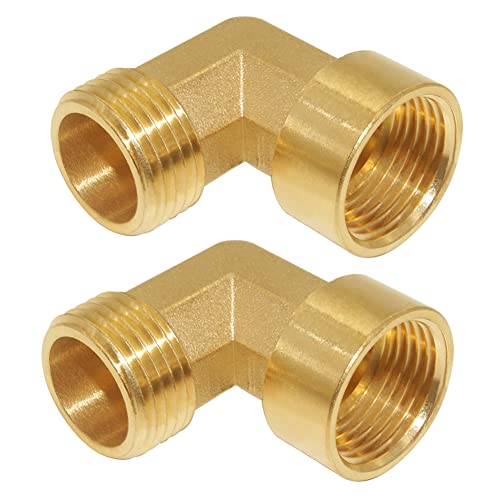
Material: Brass. End style: 3/4″ NPT Male to 3/4″ NPT Female. Pack: 2 pieces. Best for: general plumbing tasks where moderate pressure is expected. Caution: brass fittings may be heavier than aluminum equivalents and require careful handling in tight spaces.
Hooshing Brass 90 Degree Elbow 3/4″ NPT Male x Male

Material: Brass. End style: 3/4″ NPT Male to 3/4″ NPT Male. Best for: situations needing a compact male-to-male elbow to connect same-thread pipes. Caution: double-check that the male threads fit the female counterpart in your system to avoid cross‑threading.
Buying Guide
What to consider before buying
- Material: Stainless steel offers high corrosion resistance and temperature tolerance; brass provides good machinability and ductility for gas and general piping.
- Thread type and size: Confirm 3/4″ NPT (nominal pipe thread) and whether you need male, female, or a socket end for your coupling.
- Pressure and temperature: Check operating ranges and maximum pressure to ensure compatibility with your project.
- Application: Propane, natural gas, water, or HVAC may benefit from certain alloys; consider environment and exposure.
- Sealant needs: PTFE tape or pipe dope can affect sealing quality—verify recommended practice for the chosen material.
Comparison tips
- For harsh environments: choose 304 stainless steel elbows for corrosion resistance.
- For gas or propane lines: brass elbows with proper sealing are common; ensure compatibility with gas codes.
- Double-end configurations (female-to-female or male-to-male): use when routing requires two matching threads in tight spaces.
Common myths debunked
- All brass fittings are the same quality: Brass quality varies; look for high-purity brass and precise threading as indicators of reliability.
- Stainless steel is always better than brass: Stainless steel excels in corrosion resistance, but brass can be easier to machine and cheaper for certain tasks.
Maintenance and replacement
- Inspect threads for wear and corrosion periodically.
- Re-torque fittings after initial use if required by your system’s specifications.
- Replace worn elbows to prevent leaks and pressure loss in critical lines.
FAQ
- What is the difference between MNPT and FNPT? – MNPT refers to male national pipe thread; FNPT refers to female national pipe thread. They indicate the gender of the threads for assembly.
- Can I use pipe tape on stainless steel elbows? – Yes, PTFE tape is commonly used to improve sealing on stainless fittings, but follow manufacturer guidance.
- Is 3/4″ NPT standard across fittings? – Yes, 3/4″ NPT is a common nominal size used in many residential and industrial systems.
- Which material lasts longer in outdoor use? – Stainless steel generally lasts longer outdoors due to superior corrosion resistance; brass is robust but may patina over time.
- Are elbows suitable for high-temperature applications? – Stainless steel elbows typically handle higher temperatures than brass; confirm your specific temperature range from the product data.
- Should I choose male-to-female or same-end elbows? – Choose based on the existing pipe configuration and the direction you need to connect; consider space constraints and leak risk.