Discover the best 3/4 inch black poly pipe and tubing options for drinking water, irrigation, and general fluid transfer. This guide highlights five top picks and explains who each is best for, plus practical buying tips. Whether you’re a homeowner, farmer, or DIYer, you’ll find clear reasons to choose one product over another based on durability, flexibility, and suitability for low or moderate pressure. The top picks emphasize NSF/HDPE suitability, durability under outdoor conditions, and ease of handling for quick installations.
Summary of chosen products
| Product | Best For | Key Advantage |
|---|---|---|
| Cresline 3/4″ X 400′ HD160 | Drinking water systems and long runs | High-density polyethylene with SIDR-9 rating |
| Cresline 3/4″, 100′ | Shorter runs in US-made, reliable piping | Made in United States |
| ZY-hosetube 3/4″ Black Vinyl Tubing (10–25 ft) | Low-pressure, flexible setups | Flexible, kink-resistant PVC tubing |
| Cresline 3/4″ X 100′ Flexible Pipe | Conduit and water lines in farms | NSF approved for drinking water |
| ZY-hosetube 3/4” Black Vinyl Tubing (10 ft) | Compact, short runs | Low-pressure, flexible tubing |
Cresline Polyethylene Pipe 3/4″ x 400′ 160 PSI For Drinking Water

The Cresline 3/4″ x 400′ HD160 pipe is described as a high-density polyethylene option with SIDR-9 designation. It suits drinking water applications where longer runs and durable poly is needed. Best for buyers seeking a long-length solution for outdoor installations or remote setups. A potential limitation is that detailed usage specs beyond HD160 are not provided in the listing, so verify local code compatibility before installation.
PIPE POLY 3/4″ x 100′ NSF200 by Cresline

This Cresline 3/4″ x 100′ option is described as made in the United States, signaling domestic manufacturing for potential reliability and supply chain considerations. Best for projects needing moderate-length runs with dependable domestic production. Limitation: the listing notes only “Made in United States” without additional performance specs, so check local pressure and compatibility requirements before use.
ZY-hosetube 3/4″ ID – 25ft Black Vinyl Tubing

ZY-hosetube 3/4″ black vinyl tubing (25 ft) is provided with two hose clamps and emphasizes flexibility, non-toxicity, and resistance to aging. Best for low-pressure, flexible connections such as ponds, fountains, and garden water features. A caution: this tubing is specified for low PSI (30), so avoid high-pressure applications.
ZY-hosetube 3/4″ ID – 10ft Black Vinyl Tubing

This 10-foot ZY-hosetube variant mirrors the 25-foot option in construction, emphasizing low-pressure use and strong flexibility. Best for small, quick installations or test runs. Limitation: shorter length may require more joints for longer runs, which could raise potential leak points.
Cresline 18105 Flexible Pipe, 3/4″ x 100′, 160 psi
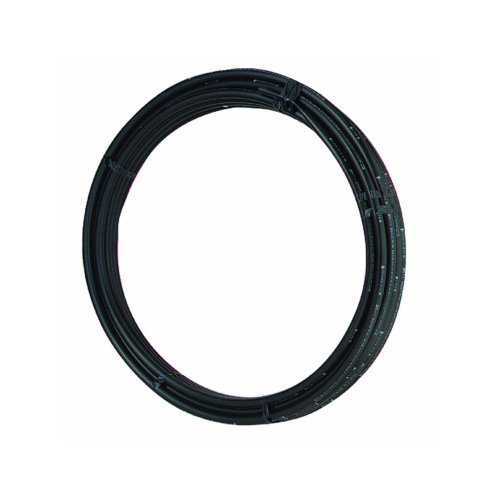
This Cresline flexible pipe is NSF approved for drinking water and is positioned for farm or ranch water systems, plus conduit usage. It is a solid mid-length option for outdoor water lines or utility conduits. Limitation: additional conduit-specific compliance requirements or local codes may apply depending on the installation scenario.
ZY-hosetube Black Vinyl Tubing 3/4” ID × 1” OD – 10 ft

This 10-foot ZY-hosetube option emphasizes low-pressure utilization with 3/4″ ID and 1″ OD. Best for compact installations or testing lines in small systems. Note: as a low-pressure product, avoid high-flow or high-pressure configurations.
Black Braided Vinyl Tubing 3/4″ – 50ft High Pressure

This 50-foot, high-pressure black braided vinyl tubing is reinforced for higher PSI and burst resistance. Best for pressure washers and systems requiring robust transmission lines. Caution: higher braid construction can be stiffer and less forgiving for tight bends; plan routing accordingly.
Buying Guide
What should you consider when selecting 3/4 inch black poly pipe or tubing?
- Pressure rating and intended use: Choose options designed for your working pressure. High-pressure braided tubing suits dynamic systems; low-pressure vinyl tubing fits ponds and light irrigation.
- Length and installation: Longer runs reduce fittings but require careful routing and UV exposure considerations. Shorter lengths offer flexibility in placement and testing.
- Material type and approvals: NSF approval is a key indicator for drinking water suitability. HDPE/PB alternatives may serve different demands like conduit or general fluid transfer.
- Flexibility and kink resistance: Flexible tubing eases installation but may trade stiffness for longer-term stability in some environments.
- Environment and temperature: Temperature ranges affect flexibility and durability. Outdoor use may require UV-resistant materials and weather resilience.
- Compatibility and codes: Check local plumbing codes and compatibility with fittings, clamps, and connectors to ensure a safe, compliant system.
Frequently Asked Questions
- What is the difference between HDPE pipe and vinyl tubing?
HDPE pipe is typically used for durable, long-run water lines, while vinyl tubing is more flexible and suited to low-pressure, portable, or quick-install scenarios. - Can I use 3/4″ pipe for drinking water?
Only select products explicitly NSF-approved for drinking water; verify the specific model’s approvals before use. - What length should I choose for a home irrigation project?
For longer runs, opt for the 400′ or 100′ lengths as needed, balancing fittings, route, and installation ease. - Is it safe to use black vinyl tubing for outdoor installations?
Yes, but ensure the product is rated for the outdoor temperature range and exposure; some low-pressure variants are more suitable for gardens and ponds. - What installation considerations matter for 3/4″ lines?
Plan for clamps, fittings, connectors, and potential expansion or contraction with temperature changes; ensure joints are secure and leak-free. - Do these products require special tools to cut or fit?
Most options can be cut with standard cutting tools; verify any tool requirements from the manufacturer for best results.